
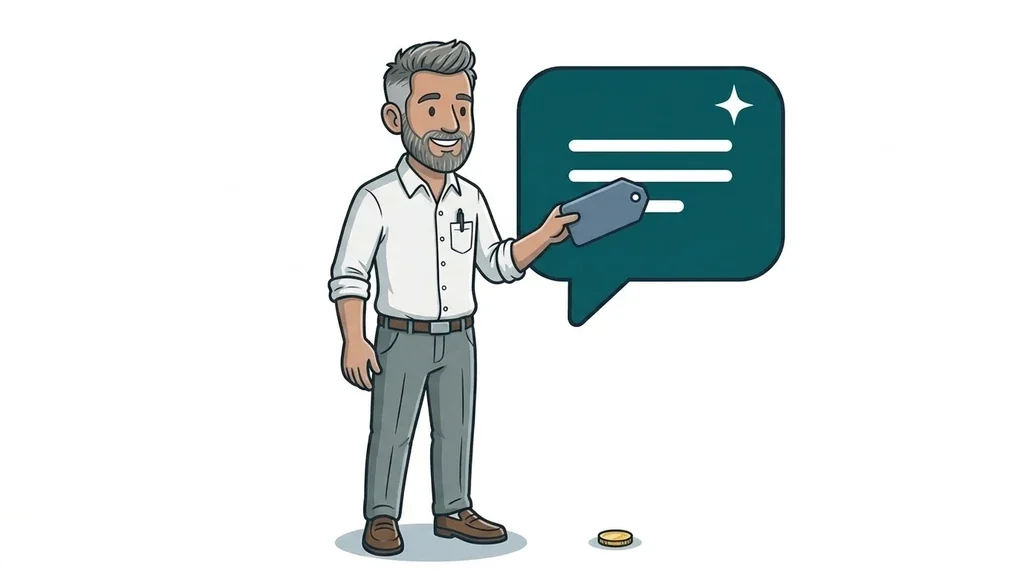
On 28 October 2026, Google announced that ads in AI Mode are expanding to 10 more countries and confirmed the United Kingdom is next, with a launch planned for Q4 2026. AI Mode is the chat-style search tab inside Google Search. Once ads arrive, sponsored text and Shopping ads can appear inside its answers for UK searchers.
If you already run Google Ads, you do not need to sign up for anything. Google says existing Search, Shopping and Performance Max campaigns take part automatically. That makes this a "check your settings now" story rather than a "wait and see" one.
What Google announced on 28 October
The announcement came from Shashi Thakur, who leads Search Ads at Google. The key facts:
- Where now: ads in AI Mode are scaling in Australia, Canada, India, Kenya, Malaysia, New Zealand, Nigeria, Pakistan, the Philippines and Singapore.
- UK timing: Google plans to add the UK, Brazil and Mexico during Q4 2026. No exact UK date has been given.
- Longer searches: Google says AI Mode queries are on average three times longer than traditional searches (based on its own US data from May 2026).
- Clicks: Google reports that click-through rates for sponsored and organic product listings inside AI Mode are already similar. It has not published the actual rates.
- Follow-up questions: in the US, Google has launched multiturn ads, which can appear when someone asks a follow-up question in the same AI Mode conversation.
- Labelling: every ad is marked "Sponsored".
Search Engine Land's report on the expansion adds useful context. The same week, Google was spotted testing separate "Sponsored" and "All products" headings in AI Mode shopping results, so the layout UK users see may still change.
There is a commercial reason behind the timing too. On its Q3 earnings call, Google said the fast growth in AI Mode searches weighed on search ad revenue growth because AI Mode earns less per search for now. More ads in more countries is the obvious fix from Google's side.
How ads in AI Mode work
Google's help page on ads in AI-powered experiences in Search explains the mechanics. In plain English:
Your existing campaigns are eligible. No new campaign, no separate budget. Search, Shopping and Performance Max campaigns can all serve text or Shopping ads inside AI Mode and AI Overviews. Google is also experimenting with local inventory ads.
Ads can match in two ways.
- Direct matching: someone types a clearly commercial search, such as "emergency plumber Leeds", and Google matches ads to it much as it does on the normal results page.
- Contextual matching: someone asks a longer question, such as "why is my boiler losing pressure and can I fix it myself", and Google matches ads to both the question and the AI answer. If the answer suggests calling an engineer, a heating firm's ad can appear.
Your match types decide which of those you get. Broad match, AI Max for Search, Shopping and Performance Max are eligible for both kinds of matching. Exact and phrase match keywords only show when the search has direct commercial intent. They miss the longer, exploratory questions.
Google may write some of the words around your ad. In some placements, Gemini generates short "AI explainers" that describe how an ad relates to the search. Google says these can draw on the search, the AI answer and publicly available sources, including your website. Advertisers cannot write, edit, approve or opt out of them.
Reporting is blended in. AI Mode and AI Overview results are counted inside your normal campaign and search terms reports. There is no separate AI Mode column to compare.
What this means for your business
For most small businesses on a modest Google Ads budget, the change will be gradual. A few things are still worth acting on before it lands.
1. Your budget can flow into AI Mode without you noticing.
If your campaigns use broad match, AI Max or Performance Max, some of your spend will start going to longer, chattier searches. That can be good (people describing a real problem are often close to buying) or wasteful (people researching who will never call). Watch your search terms report closely in November and December, and add negative keywords for the obvious mismatches. We covered how AI Max changed the way Google matches searches this September, and the same discipline applies here.
2. Exact and phrase match accounts will see less of it.
If you run tight exact and phrase match campaigns, you will mostly appear in AI Mode for direct "I want to buy or book" searches. That is not a problem. Do not rush to switch everything to broad match just to chase a new placement. Test it on one campaign with a sensible cap first.
3. Your website now feeds your ads as well as your rankings.
Because AI explainers can pull from your site, out-of-date prices, vague service descriptions or missing location details could end up summarised next to your ad. Clear, accurate service pages help both your adverts and your organic visibility. That is the same lesson from our piece on how customers ask AI and then check your website.
4. Conversion tracking matters more than ever.
Google's own advice for AI Mode is to pair broad targeting with Smart Bidding and accurate conversion data. If your Google tag is not recording enquiries, calls or bookings properly, the system is bidding blind. Fix that before Q4 traffic builds.
5. Shoppers are already using AI to decide.
Adobe's UK spending report found that 37% of UK consumers now use AI assistants to shop, and that AI-referred visitors to retail sites started converting better than traditional search visitors in May 2026. Ads inside AI Mode are Google's way of putting businesses into that journey. If you sell products, see our guide to AI shopping agents and your website. Google is not alone either. Our ChatGPT ads guide for UK advertisers shows the same shift towards paid placements inside AI answers.
A quick checklist before the UK launch
- Check which match types and campaign types you are running in Google Ads.
- Review your search terms report weekly and build a negative keyword list for irrelevant questions.
- Make sure conversion tracking records every real enquiry, call and sale.
- Read your main service and product pages as a stranger would. Are prices, areas and offers current?
- Keep your Merchant Center product feed complete and matching your website, if you sell online.
- Set a budget you are comfortable with, so a new placement cannot quietly double your spend.
FAQ
When will Google AI Mode ads start in the UK?
Google says the UK is planned for Q4 2026, so before the end of December. It has not given an exact date.
Do I need a new Google Ads campaign to appear in AI Mode?
No. Google says existing Search, Shopping and Performance Max campaigns are automatically eligible. Broad match and AI-driven campaign types get the widest reach.
Can I stop my ads showing in AI Mode?
Google's help page does not describe a separate switch for AI Mode placements. Your practical controls are your match types, negative keywords, budgets and campaign types. You also cannot opt out of the Gemini-written explainers that can sit beside some ads.
Will I see AI Mode results separately in my reports?
No. Google includes AI Mode and AI Overview results in your standard campaign and search terms reports in aggregate. Watch for longer, question-style search terms as a sign your ads are appearing there.
Does this affect my organic visibility in AI Mode?
Google says paid ads do not influence the organic AI answers. But sponsored results will now sit alongside them, so strong SEO and GEO and a clear, well-structured website still matter for being picked up for free.
What to do next
You do not need to become a Google Ads expert to handle this. You do need campaigns with sensible match types, honest tracking and a website that describes what you do accurately, because Google will now read it to help sell you.
If you want someone to check your account before AI Mode ads reach the UK, our Google and Meta paid ads service can help, and our costs page sets out what that looks like. If your website itself needs tidying first, start with our free website offer. We will tell you plainly what is worth fixing and what can wait.

No comments yet