If your website's Google ranking took an unexpected dip in the last couple of weeks of August, you're not imagining it, and you're not alone. Google ran a spam update between 18 and 21 August 2026, and by most measures it shook up search results more than a typical update does. Here's what actually happened, and what it does (and doesn't) mean if you run a small business website.
What actually happened
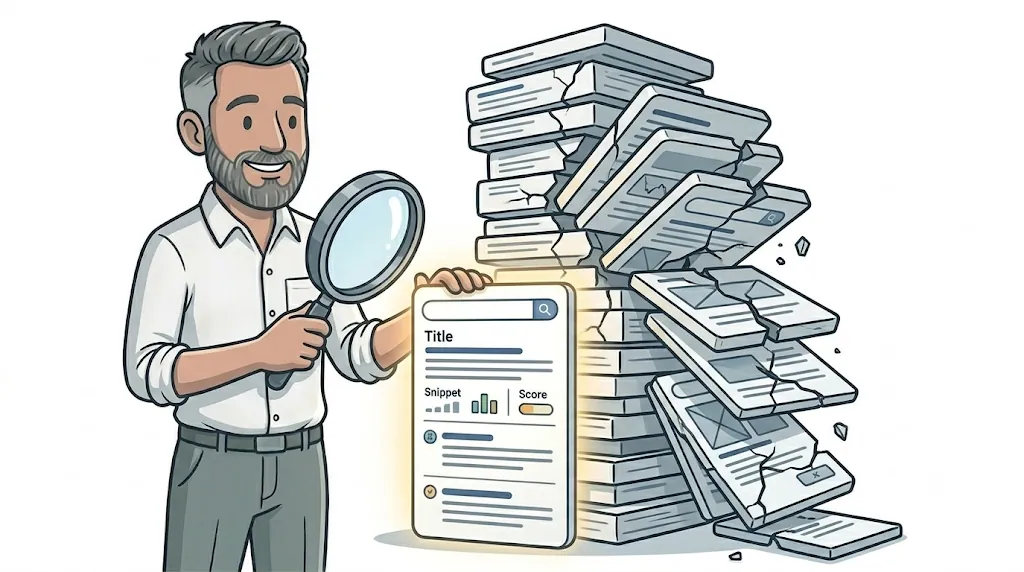
Google's spam updates are separate from its better-known "core updates." Where a core update recalibrates how Google judges overall page quality and relevance, a spam update specifically hunts down sites using tactics that break Google's rules: things like AI-generated content built purely to game rankings, sites stuffed with auto-generated pages, or "reputation abuse" (piggybacking on a trusted domain's authority to rank unrelated junk pages).
This particular update ran quietly. Google logged it on its Search Status Dashboard, as it always does, but (as is now fairly typical for spam updates) didn't publish a blog post explaining what it targeted. It was the third spam update Google had run in 2026, following earlier ones in March and June.
Why this one felt rougher than normal
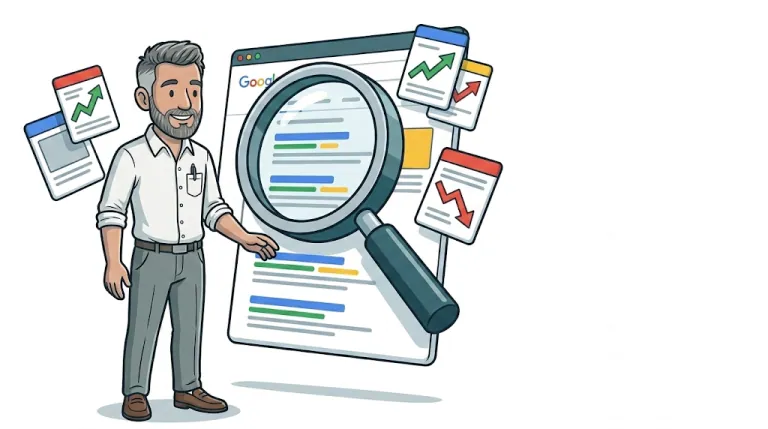
What made August's update stand out wasn't secrecy, it was scale. Ranking-tracking firm SE Ranking analysed 100,000 keywords across 20 industries in the US and found that during the update window, 16.71% of URLs that had been sitting in Google's top 10 fell out beyond position 100, effectively disappearing from page one entirely. In a typical fortnight, that figure sits closer to 9%. That's roughly an 82% jump in the rate of serious ranking losses compared with normal search volatility.
The disruption wasn't evenly spread. Sectors like fashion and beauty saw particularly high churn, while more transactional, trust-sensitive categories (finance, health, legal, the type Google calls "Your Money or Your Life" content) stayed comparatively steadier, which tracks with how carefully Google already scrutinises those niches. Alongside the losses, there was also a wave of new entrants: a noticeable share of URLs that hadn't previously cracked the top 20 suddenly appeared in the top 3, suggesting a genuine reshuffle rather than everyone simply dropping in unison.
Should you panic if your rankings dropped?
Not automatically, but it's worth checking, calmly. A spam update targets sites that are deliberately gaming the system, not ordinary small business websites with a normal mix of service pages, blog posts and contact details. If you've never mass-produced AI content, bought backlinks, or handed a subdomain over to an unrelated third party to publish on, a spam update is unlikely to be the direct cause of any drop you're seeing.
That said, two things are true at once here. First, general ranking volatility tends to spike around any major Google update, spam or otherwise. Sites can move for reasons only loosely connected to the update itself, simply because the wider results page is being reshuffled. Second, this is also a good moment to sense-check your own site with a critical eye, because some grey-area practices (an over-eager use of AI-written blog content with no editing, or an old backlink-buying campaign from a previous web developer) can look fine for months and then get caught in exactly this kind of enforcement wave.
What this means for your business
If you've noticed a ranking or traffic drop since late August, a sensible first step is a quick, honest audit rather than a guess:
- Check Google Search Console's Performance report for the exact dates your clicks or impressions changed, and compare that to the 18-21 August window.
- Look at which pages dropped. Is it site-wide, or concentrated on a specific batch of pages (for example, ones published in a rush, or written entirely by an AI tool with no human review)?
- Review your backlink profile for anything that looks like it was bought or swapped rather than earned.
- If nothing looks obviously wrong, sit tight for a few weeks. Search results often settle as an update fully rolls out and Google's systems recalibrate.
The broader lesson holds regardless of whether this particular update touched you: a website built on solid technical foundations, genuine content, and a clean backlink profile is inherently more resilient to this kind of volatility than one built on shortcuts. That's true whether the next update lands in a month or a year.
Frequently asked questions
Did Google's August 2026 update specifically target small business websites?
No. Spam updates target manipulative tactics (AI content farms, bought links, reputation abuse), not small business sites as a category. Most legitimate small business websites aren't the intended target.
How do I know if my site was affected by the spam update?
Check Search Console's Performance report for a drop specifically dated between 18 and 21 August 2026. A drop that starts and ends outside that window likely has a different cause.
What should I do if my rankings dropped after August 2026?
Start with a calm audit: check which pages dropped, review any AI-generated content for quality, and check your backlink profile. If nothing looks amiss, give it a few weeks to settle before making major changes.
Is every ranking drop caused by a Google update?
No. Competitors publishing new content, technical issues like slow load times or broken pages, and seasonal demand changes can all move rankings independently of any Google update.
A good moment for a website health check
Whether or not August's update touched your rankings, moments like this are a useful nudge to check your site's foundations are sound, from technical structure to how it's genuinely built for people, not just search engines. That's exactly the kind of review we cover in our SEO & GEO services, and if you've been putting off a proper look at your site, our free website design offer is a no-pressure way to see what a stronger foundation could look like, with no fee unless you decide to go ahead.
For more background on Google's recent moves, see our recent look at Google's August 2026 core update, and our guide to Google Search Console's key metrics if you want to dig into your own data.
Contact Gareth at GLC Web Solutions to review your Search Console data, check whether a drop is this update or something else, and decide what is worth changing.