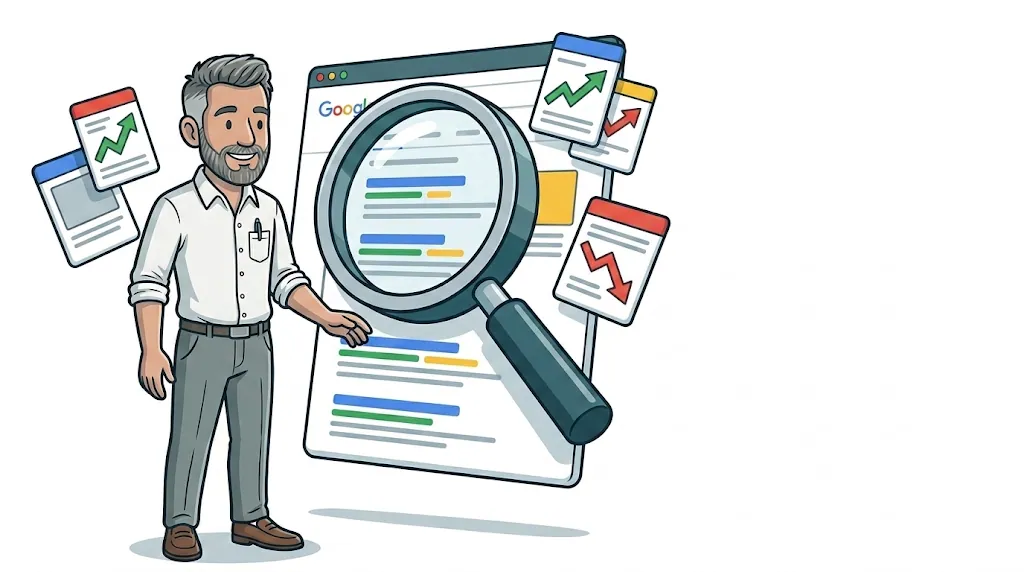
Google began rolling out its August 2026 core update on 26 August. If you’ve noticed your traffic wobbling this week, or you’re just wondering whether now’s a bad time to touch your website, this is why — and here’s what’s actually worth doing about it.
What actually happened
Core updates are Google periodically re-tuning how it judges the whole index, not a punishment aimed at any one site. This one arrived after a stretch of unconfirmed volatility through late July and early August that had a lot of site owners nervously refreshing Search Console before Google had even confirmed anything was happening. The confirmed update itself started on the 26th, and — like most core updates — it’ll likely take one to three weeks to fully roll out.
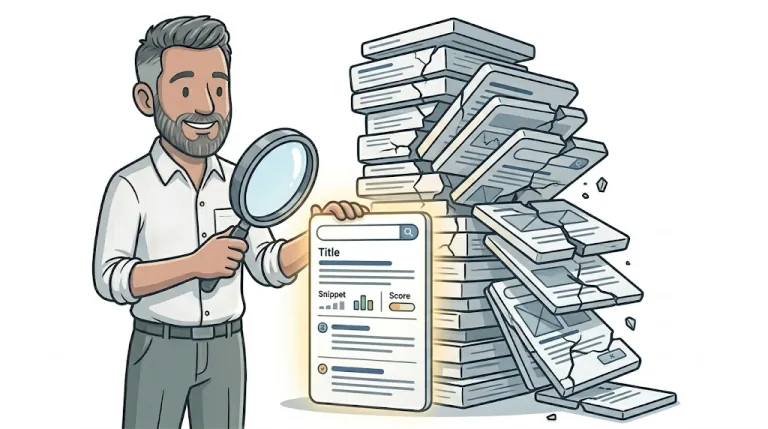
The pattern several SEO trackers are reporting is a familiar one, just sharper than before: pages that mostly restate what’s already ranking elsewhere are losing ground, while pages built on something Google can’t get anywhere else — original data, first-hand experience, a genuinely local answer — are holding up or gaining. That’s not a new rule. It’s the same “helpful content” direction Google’s been pushing for a couple of years now, tightened another notch.
What this means for your business
If you run a small business website, you probably don’t have hundreds of thin, interchangeable pages to worry about — but the underlying test still applies to whatever you do have. Ask honestly: if your service page disappeared tomorrow, would a visitor notice anything missing that they couldn’t get from any other local competitor’s site? Pages that answer yes to that — genuine photos of your actual work, specific detail about how you do things, real local knowledge — tend to be the ones that hold steady through updates like this.
This is also exactly the kind of moment where reactive panic does more damage than the update itself. Rewriting pages mid-rollout means you’ll never know whether a recovery was your change or the algorithm settling back down.
What to check in Search Console this week
You don’t need to do anything drastic right now, but it is worth a quick, calm look:
- Compare this week’s clicks and impressions with the week before 26 August, not with last month — you want a clean before/after.
- Note which pages moved, not just whether overall traffic moved. A handful of pages dropping is a very different situation to a sitewide fall.
- Fix anything genuinely broken regardless of the update — dead links, missing pages, titles nobody’s clicking — since those are worth fixing either way.
If you haven’t got Search Console properly set up to actually see this, GLC’s guide to getting started and the metrics that actually matter is worth a read before you draw any conclusions from this update.
What not to do yet
Google’s own guidance is to wait a full week after a core update completes — not after it starts — before analysing your Search Console data properly. On a rollout that could run two to three weeks, that means giving it real time before making big changes. Don’t rewrite content based on day-three panic. Do keep an eye on it, and do get in touch if a genuine, sustained drop shows up rather than normal noise.
GLC looked at Google’s previous core update from December 2025 in a similar way at the time — see how that one played out.
Frequently asked questions
How long does a Google core update take to finish?
Recent core updates have typically taken one to three weeks to fully roll out, though Google doesn’t publish an exact schedule or duration in advance.
How do I know if my site was actually affected?
Compare Search Console clicks and impressions for the week before the update started against a recent week, once the rollout has finished and settled — not mid-rollout, when the numbers are still moving around.
Should I change my website while a core update is rolling out?
Generally, no — wait until the update completes and the data settles before making changes, so you can tell whether a drop was the update or something else on your site.
Where this leaves you
A core update isn’t a verdict on your business — it’s Google re-sorting the whole index against a slightly higher bar. If your site does something a visitor genuinely couldn’t get anywhere else, that’s usually enough to hold up through updates like this one. If reading this has made you wonder whether your own site would pass that test, that’s exactly the kind of thing a quick conversation sorts out — and it’s worth knowing GLC’s SEO & GEO service is built around practical changes rather than a report you’ll never read.
Contact Gareth at GLC Web Solutions to review your Search Console data, check whether a drop is the update or something else, and decide what — if anything — is worth changing once the rollout settles.