
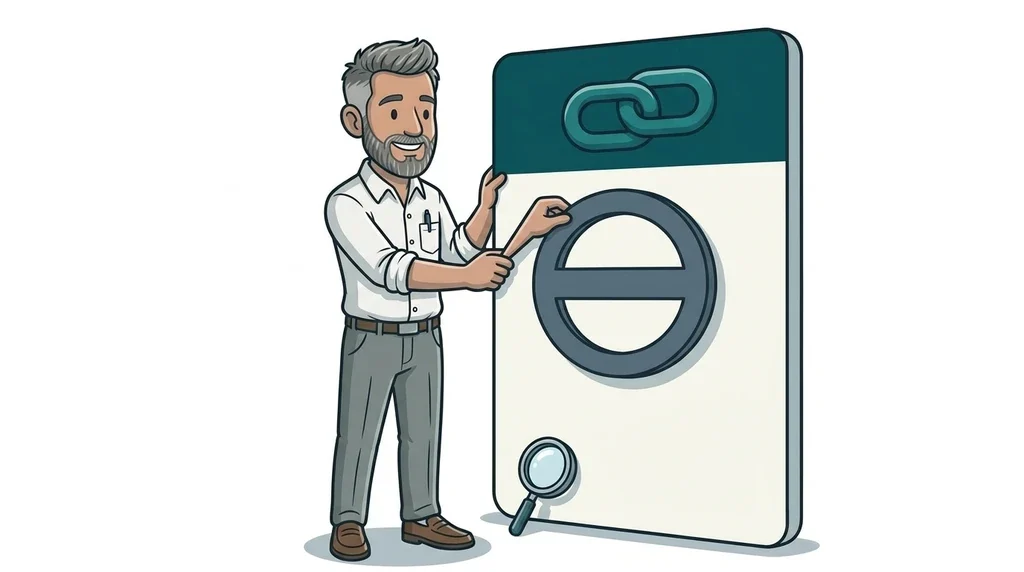
On 26 October 2026, Google updated its guidance on preventing user-generated spam. Hosting platforms and tools that let people publish shared pages, generated content or web apps are now called out by name. Google says pages made for direct sharing, collaboration or utility (rather than for discovery in Search) should carry a noindex rule by default, or be blocked from crawling in robots.txt.
In plain English: if a page exists mainly so someone can send a link, Google does not want it filling the search results. That is good news for clean search quality. It is also a prompt for small businesses to check which of their own pages (and third-party tools) were never meant to rank.
What Google changed on 26 October
Google’s spam prevention page has long covered open comment forms and hosting platforms. The latest rewrite widens the net.
According to the official Search Central guide (last updated 26 October 2026 UTC):
- Tools that publish shared pages, generated content or web apps sit alongside hosting platforms as places spammers abuse.
- A new section, Only index content meant for Search, asks services to decide whether user-created pages are for public discovery or for people who already have the link.
- For share, collaboration or utility pages, Google’s default advice is to apply noindex (robots meta tag or X-Robots-Tag header) or block crawling in robots.txt.
- Platforms should verify in Search Console, watch Page Indexing and Search performance for odd spikes, and alert on bursts of new public pages or a few users creating most of the indexable URLs.
Search Engine Roundtable summarises the same documentation update. Google does not name specific products. The wording is broad enough to cover AI chat share links, form or quiz result pages, temporary project boards, and many “build a page and share the URL” tools.
Key facts:
- When: 26 October 2026 (documentation update stamp).
- Where: Google’s “Prevent user-generated spam on your site and platform” guide.
- Default stance: keep link-shared / utility pages out of the index unless they are meant for Search.
- What it is not: a new named core update or spam update on the Search Status Dashboard. It is policy guidance for site and platform owners.
- Why it matters now: thin generated pages and share links have been leaking into results for years. Google is telling tool makers to stop that at source.
This sits next to the work Google has already been doing on spam systems. We covered the practical fallout when the September spam update finished and when the August spam update hit harder than usual. Documentation like this is how Google steers platforms before the next automated sweep.
What “noindex shared pages” means in practice
Noindex tells Google: you may crawl this URL if you can reach it, but do not show it in Search results. It is the right setting for thank-you pages, private booking confirmations, draft previews, and most “here is a link to your result” screens.
It is the wrong setting for your service pages, blog posts and location pages. Those are meant for discovery. The whole point of this update is the split between the two.
Typical places small businesses meet this problem:
- AI chat or report share links that create a public URL with your business name, client details or thin generated text.
- Form, quiz or calculator tools that spit out a unique results page for every submission and leave it open to crawlers.
- Website builders or page sandboxes where staff or freelancers publish temporary pages that never get cleaned up.
- Guest upload, review or directory features on a WordPress site where anyone can create a public URL.
- Staging or demo sites that somehow become crawlable and compete with the live domain in Search Console.
If those URLs get indexed in bulk, they can muddy your brand in search, trigger spam flags on a shared platform, or simply waste crawl attention that should go to pages that win work. That is the opposite of the clear, answer-first content that helps both classic SEO and AI search. We have already written about how customers ask AI then check your website and how blocking AI agents by accident can cut you out of that journey. Indexing junk pages is the other side of the same problem: search systems see the wrong version of you.
What this means for your business
Most local service businesses with a simple brochure site will not wake up to a manual action tomorrow because of this rewrite. The pressure sits first on the platforms that mint millions of share URLs. Still, you feel the effects in three ways.
1. Your third-party tools may change defaults.
If you rely on an AI tool, form builder or mini web-app that publishes share links, those pages may stop appearing in Google. That is usually helpful. Do not build a lead strategy that depends on a temporary share URL ranking.
2. Your own site may still have accidental indexable junk.
Check Search Console’s Page Indexing report for surprise URL patterns: /share/, /result/, /preview/, query-string clones, old staging hosts, or uploaded files that were never meant for Search. Spikes in indexed pages that do not match how you publish are exactly what Google now tells platforms to watch.
3. Content meant for Search still needs a proper home.
If the only place your advice lives is inside a chat transcript share link or a one-off builder page, that is fragile. Move the useful answers onto a real page on your domain, then promote that. Our SEO and GEO services exist for that kind of cleanup and structuring, and solid website design and development keeps the public site and the utility tools clearly separated.
Practical checklist for this week:
- Open Google Search Console and scan Page Indexing for unexpected URL shapes or sudden jumps in indexed pages.
- List every tool that creates a public share link for your business (AI chats, forms, calculators, proposal tools). Ask whether those pages are noindexed by default.
- Make sure thank-you, booking confirmation and draft preview pages on your own site use noindex where they are not meant to rank.
- Keep your money pages (services, locations, proof, blog) clearly indexable, fast and accurate.
- If you run any open comments, guest posts or user uploads, moderate them and treat untrusted links carefully. Google’s same guide still covers that older spam path.
FAQ
Does Google noindex shared pages automatically for every site?
No. The 26 October update is guidance for site and platform owners. Google is telling tools what the default should be. Your own pages only change when you (or your platform) apply noindex or robots rules, or when Google later treats thin spam under its existing spam systems.
Should I noindex my whole website?
No. Noindex your utility and link-shared pages. Keep indexing the pages you want customers to find: services, about, contact, case studies and useful articles. Blanketing the whole site with noindex hides you from Search on purpose.
Will this affect my AI Overviews or AI Mode visibility?
Indirectly. Google wants Search to surface pages meant for discovery, not disposable share links. Cleaner indexing helps humans and AI answer systems see the right pages. Pair that with clear answers on your site, and keep an eye on reports such as the Search Console AI Overview report where they apply to you.
What if Search Console shows a spike in weird indexed URLs?
Treat it as a hygiene job, not a panic. Note the URL pattern, stop the tool or template that creates them, add noindex or tighter crawl rules, then use removals only as a short-term aid while the fix rolls through. If the spike came from a compromised form or plugin, fix the security hole first.
What to do next
You do not need to memorise Google’s spam documentation. You do need a website where the pages meant for customers are the ones Search can see, and where temporary tools stay temporary.
If you want a second pair of eyes on indexing, Search Console noise or the structure of your service pages, start with our free website offer. We will tell you plainly what is worth fixing and what you can ignore.


No comments yet