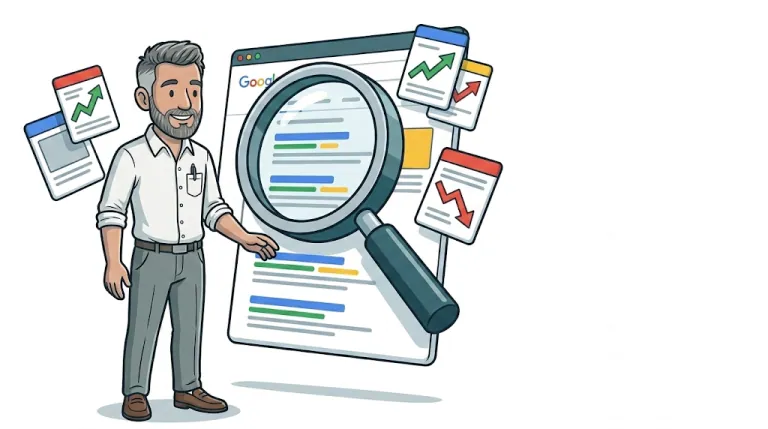
Google has rolled out another significant algorithm update in December 2025, and website owners across the globe are already seeing the impact on their search rankings. Understanding what has changed and how to respond is crucial for maintaining and improving your site's visibility in search results.
Understanding what has changed and how to respond is crucial for maintaining and improving your site's visibility in search results.
What's Changed in the December 2025 Core Update?
This latest core update continues Google's ongoing mission to reward high-quality, user-focused content whilst demoting sites that rely on manipulative SEO tactics. According to early analysis from the SEO community, this update places even greater emphasis on:
Content Quality and Depth: Google is now better at identifying thin, superficial content that doesn't genuinely answer user queries. Sites with comprehensive, well-researched content are seeing positive movements.
User Experience Signals: Page experience metrics continue to play a vital role. Sites with poor Core Web Vitals, intrusive interstitials, or confusing navigation structures are being penalised more heavily.
E-E-A-T Principles: Experience, Expertise, Authoritativeness, and Trustworthiness remain central to Google's ranking algorithm. Sites demonstrating genuine expertise and providing author credentials are performing better.
Helpful Content: The update builds upon previous helpful content updates, further rewarding content written primarily for users rather than search engines.

How to Monitor the Impact on Your Website
If you want to understand how the December update has affected your site, here are the key steps to take:
- Check Google Search Console
Log into your Google Search Console account and review your performance data. Look for significant changes in:
- Impressions and clicks from organic search
- Average position for your key queries
- Click-through rates (CTR)
Compare data from the last 28 days against the previous period to spot any notable trends.
- Monitor Your Rankings
Use rank tracking tools like SEMrush, Ahrefs, or Moz to monitor your positions for target keywords. Pay particular attention to:
- Pages that have dropped significantly in rankings
- Queries where you've lost visibility
- Competitors who may have gained positions you previously held
- Analyse Your Traffic in Google Analytics
Review your organic traffic patterns in Google Analytics 4. Look for:
Regular monitoring of your website's performance is essential to understanding the impact of Google's algorithm updates.
- Sudden drops or increases in organic sessions
- Changes in user behaviour metrics (bounce rate, time on page, pages per session)
- Shifts in which pages are receiving the most organic traffic
- Review Your Core Web Vitals
Check your Core Web Vitals scores in Google Search Console. Poor performance in Largest Contentful Paint (LCP), First Input Delay (FID), or Cumulative Layout Shift (CLS) could be contributing to ranking losses.
- Conduct a Content Audit
Evaluate your content against Google's quality guidelines:
Recovery from a negative SEO impact is possible through strategic improvements to content quality, user experience, and building genuine authority.
- Is it genuinely helpful to your audience?
- Does it demonstrate expertise and authority?
- Is it written primarily for users or search engines?
- Does it provide unique value that can't be found elsewhere?
Recovering From a Negative Impact
If you've been negatively affected by the update, don't panic. Recovery is possible, but it requires strategic action:
- Improve content quality by adding depth, research, and expert insights
- Enhance user experience by improving site speed and navigation
- Remove or improve thin, low-quality content
- Build genuine authority through quality backlinks and author credentials
- Focus on creating content that genuinely serves user needs
Need Expert SEO Guidance?
Navigating Google's algorithm updates can be challenging, especially when your business depends on organic search visibility. At GLC Web Solutions, we specialise in helping businesses understand and respond to Google's ever-changing search landscape. Our SEO consultancy services include comprehensive site audits, technical SEO improvements, content strategy development, and ongoing monitoring to ensure your website maintains strong search performance.
Whether you've been impacted by the December update or you want to proactively strengthen your site's SEO foundation, we're here to help. Get in touch with us through our contact form to discuss how we can support your SEO goals and help your website achieve the visibility it deserves.